Last updated: August 12, 2026
- Review cleaning products and floor finishes so surfaces are not left slippery after mopping or polishing.
- Better mats, slippery coatings, and floor repairs cost money.
- You need repair, replacement, or a floor-care change that leaves less slip.
- FAQ What is the biggest cause of slips in offices and retail spaces?
Quick Answer: Start where shoes actually land. For a slip fall prevention checklist offices retail spaces plan, the highest-risk zones are entrances, restrooms, break rooms, and other wet or high-traffic paths. Three times a day—opening, mid-shift, and closing—is the simple rhythm that catches a lot. The checklist below lays out what to do first and where the usual advice falls apart.
Key Facts
– The slip fall prevention checklist offices retail spaces should begin with entrances, then move to wet and high-traffic routes.
– Check the space 3 times daily: opening, mid-shift, and closing.
– Fix recurring hazards at the source; repeated cleanup alone does not solve a structural problem.
– Warning signs should be reserved for active cleanup; they are not a substitute for removal of the hazard.
– Re-check cleaned areas after a short delay, because a floor can still be slick after visible moisture is gone.
One answer, right up front: start where people walk, not with a poster on the wall. In offices and retail spaces, slip and fall prevention boils down to dry floors, clear walkways, good lighting, and the habit of dealing with small hazards before they become claims or injuries. The slip fall prevention checklist offices retail spaces below shows what to do, what comes first, and where the usual advice breaks down.
What Actually Makes a Floor Safe Enough
A floor can look spotless and still send someone sliding. Annoying, yes. The trouble is usually outside the surface itself: moisture, worn footwear, clutter, dim lighting, or a spill that was cleaned badly and left behind a slick film. Offices tend to spike near entries, break rooms, kitchens, restrooms, and copier areas. Retail spaces? Entrances, produce or beverage areas, fitting rooms, stockrooms, and any place a cart turns sharply.
Start with the spots that get hammered by foot traffic and water. Entrance mats, floor changes, and any area where rain, snow, or mud gets tracked in deserve attention first. Ignore those, and “watch your step” is just decoration.
A practical checklist looks like this:
- Walk the space at opening, mid-shift, and closing.
- Check for wet floors, loose mats, curled edges, cords, boxes, and torn carpet.
- Look at lighting from a pedestrian’s point of view, not from standing height.
- Confirm that spills have a cleanup process, not just a towel.
- Make sure warning signs are used for active cleanup, not as a substitute for cleanup.
When a hazard keeps coming back, stop treating cleanup as the solution. It is source control that matters. A leaking fridge, a dripping entrance canopy, or a mat that slides every day needs a fix, not another pass with a mop. And honestly, that’s the part people try to dodge because it takes more effort.
For general workplace safety guidance, I would point to the Occupational Safety and Health Administration’s walking-working-surfaces resources and the National Floor Safety Institute’s guidance on slip risk factors. See OSHA’s walking-working-surfaces standard here: https://www.osha.gov/walking-working-surfaces and NFSI’s resources here: https://nfsi.org/
Quick check: if your hardest-to-control hazards happen in the same three or four spots every day, this is the section that applies to you.
Office Slip and Fall Prevention Checklist: Where Office Advice Usually Falls Short
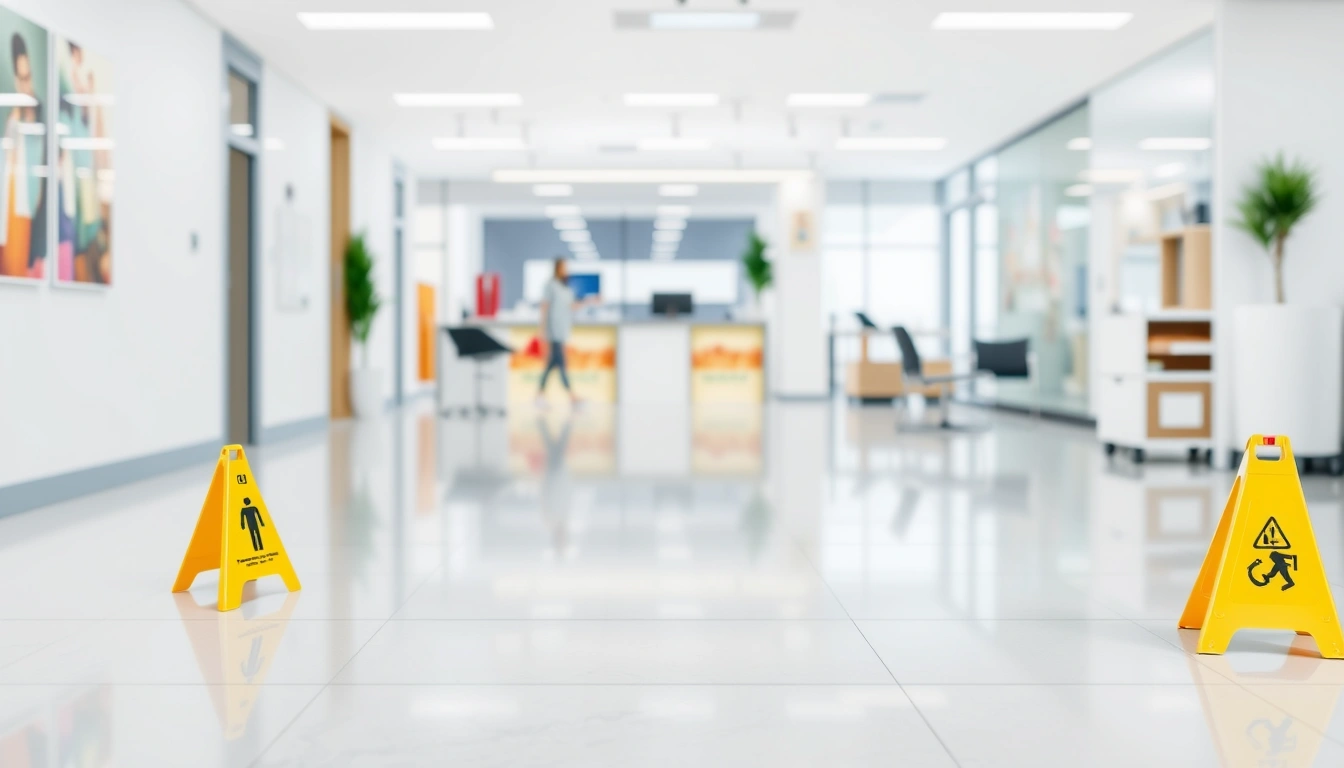
Offices get misread as a housekeeping problem. They aren’t. People carry drinks, hurry between rooms, and step from one surface to another without noticing the change. So the checklist has to cover behavior, layout, and maintenance together.
Begin at the entrance. If employees come in with wet shoes, use mats that stay put—real ones, not thin runners that bunch up. A mat that moves underfoot is a trap, not protection. For mat selection and placement, it can help to consult a qualified safety or flooring professional and the manufacturer’s installation guidance. Then follow the route from the entrance to desks, elevators, stairs, and restrooms. When that path includes polished tile, a threshold, or a sudden floor change, it needs attention.
Here is the office path I would use:
- Inspect entrances for water intrusion, mat movement, and slick thresholds.
- Check pantry, break room, and sink areas for standing water, drips, and trash that blocks footing.
- Look for cords under desks and in meeting rooms that cross walking paths.
- Test lighting in hallways, stairs, and parking-to-entry routes.
- Review cleaning products and floor finishes so surfaces are not left slippery after mopping or polishing.
- Fix damaged carpet, loose tiles, cracked vinyl, or uneven transitions immediately.
Stairs need handrails more than decorative reminders. Glossy floors need maintenance more than compliments. And if staff work late, weak lighting can turn a tiny issue into a nasty one.
There is a trade-off here: control versus cost. Better mats, slippery coatings, and floor repairs cost money. But the cheaper option is not always cheaper once you count lost work time and injury claims. I’d also be careful with “quick shine” products on hard floors; some leave a finish that looks good and performs badly under wet shoes.
Quick check: if your office slips happen at doors, pantry areas, or stairs, you need a route-based checklist, not a general cleaning reminder.
Retail Slip and Fall Prevention Checklist: Customer Traffic Changes the Rules
Retail is different because you do not control every pair of feet. Customers carry baskets, stare at shelves instead of the floor, stop without warning, and turn on a dime. So the checklist has to center on traffic flow, visibility, and fast spill response.
Start with the vestibule, if there is one. Wet weather gets tracked in fast, and the first few steps inside are where traction problems show up. Use entry mats that are long enough to do real work and secure enough not to slide; when needed, consult a flooring or safety professional and follow manufacturer guidance for size, placement, and installation. If you sell food, drinks, beauty products, or anything breakable, assume spills will happen and plan for them before the first customer walks in.
A retail path should look like this:
- Inspect entrances before opening and during bad weather.
- Assign one person per shift to watch for floor hazards, not just to clean them after someone notices.
- Keep spill kits in visible, reachable spots with absorbent material, gloves, cones, and disposable towels.
- Pull back clutter from aisles so customers can see the floor and step cleanly.
- Check display tables, freezer cases, produce misting areas, and beverage coolers for leaks or drips.
- Review cart paths and endcap layouts so customers are not forced into awkward turns near slick areas.
When a spill is active, block the area, clean it, dry it, and then check it again after a minute or two. A floor can look dry and still be slick if cleaner remains on the surface. That failure point shows up all the time in retail, especially when staff are moving fast.
One thing generic advice gets wrong is treating warning cones like the main solution. They are not. They are a temporary guardrail while the actual hazard is removed. If cones become permanent fixtures, your store has a maintenance problem, not a signage problem; consult a qualified safety professional if that keeps happening.
For retail-specific hazard control, I would look at guidance from the National Safety Council and OSHA’s general walking-working-surfaces material. If you want broader floor traction context, the American National Standards Institute and floor safety organizations also publish useful material on slip resistance and maintenance practices.
Quick check: if your slips happen near entrances, beverage areas, or crowded aisles, you need a traffic-and-spill plan, not just a cleaning schedule.
The 3 Conditions That Change Everything
Three conditions drive the whole decision tree: moisture, surface condition, and visibility. When they line up badly, standard advice stops being enough.
Moisture present? Treat it as active. Rain, snow, condensation, tracked-in water, leaks, and spills all count. Use immediate containment: mats, absorbents, barricades, and cleanup. If the source keeps repeating, fix it before leaning on warning signs.
Surface worn? The answer shifts again. Smooth tile, damaged vinyl, loose carpet, curled mats, and old flooring finishes all cut traction. If the floor itself is the issue, cleaning alone will not solve it. You need repair, replacement, or a floor-care change that leaves less slip.
Poor visibility? Even a dry floor can be dangerous. Dim hallways, glare from windows, dark rugs on dark floors, and weak contrast at thresholds make hazards harder to see. Improve lighting, add contrast strips, and clear visual clutter.
A useful way to sort the problem:
| Situation | Best Path | Why Other Options Fail |
|---|---|---|
| Water tracked in at the entrance | Mats, frequent checks, source control, prompt drying | Signs alone do not stop the next person from stepping into it |
| One-off spill in an aisle | Block, clean, dry, re-check, reopen | Walking around it creates new hazards in a crowded space |
| Repeated slickness after mopping | Change cleaning method or floor product | More mopping can leave more residue |
| Worn or uneven flooring | Repair or replace the surface | Temporary warnings do not restore traction |
| Low-light hallway or stairwell | Improve lighting and contrast | People cannot avoid what they cannot see |
When all three problems show up together, do not dress it up as a cosmetic fix. Shut the area down until it is safe enough for normal foot traffic. That may feel inconvenient, but pretending a cone and a smile solve it is how people end up in trouble.
Quick check: if your hazard involves water plus worn flooring or poor lighting, you need a structural fix, not a housekeeping tweak.
How to Build a Daily Inspection Routine That Actually Catches Problems
A checklist only works when someone will actually use it. A giant form nobody touches is worse than a short routine with follow-through. I would build daily checks around three time points: opening, peak traffic, and closing.
Use the same route every time. Don’t let each employee invent a new path; that’s how spots get missed. If possible, keep the route identical so comparisons make sense. When a spot fails today and fails again tomorrow, you have a pattern, not bad luck.
Here is a workable process:
- Start at the main entrance and follow the natural customer or employee path.
- Check floor condition, not just cleanliness.
- Verify mats, signs, and cleanup tools are where they should be.
- Log hazards in plain language: where they were, what was done, and whether the area was reopened.
- Escalate repeat issues to maintenance instead of sending them back to housekeeping.
If you are running a small office or store, you do not need fancy software to begin. A clipboard, checklist, and steady handoff between shifts can do the job. If you already use a digital facilities app, fine; the tool matters less than the follow-through.
Honestly, there is a limit here: a checklist reduces risk, but it does not erase it. Shoes vary. Weather changes by the hour. Staff get busy. That is why a good routine includes re-checks, not just one morning sweep.
Quick check: if your current process relies on “someone will notice,” you do not have a routine yet.
Edge Cases Where the Normal Advice Breaks Down
Unusual spaces need special handling. The standard office-and-retail advice can miss the real problem in these situations:
- Polished decorative floors in a lobby or showroom → what changes: the surface may look dry and still be unforgiving when wet → what to do instead: limit the use of glossy finishes in high-traffic paths, increase mat coverage, and inspect more often during wet weather.
- Food or beverage service inside an office or retail floor → what changes: spills are routine, not rare → what to do instead: treat spill response as a core duty, not an emergency task; keep cleanup tools close and visible.
- Stockrooms with tight aisles → what changes: boxes, shrink wrap, and carts create trip and slip hazards at once → what to do instead: clear walking paths first, stage freight away from traffic lanes, and separate cleaning from stocking when possible.
- Old buildings with uneven thresholds or mixed flooring → what changes: the floor itself becomes the problem → what to do instead: mark transitions clearly, repair uneven edges, and do not rely on matting alone.
- Bad weather days with heavy foot traffic → what changes: the hazard spikes quickly and stays active → what to do instead: increase inspections, add extra mats, and assign one person to monitor entrances.
- Night shifts or low-staff periods → what changes: hazards sit longer before anyone sees them → what to do instead: simplify the checklist, increase lighting checks, and make sure someone is clearly responsible for last walk-throughs.
Quick check: if your space has glossy floors, freight traffic, old thresholds, or weather-driven foot traffic spikes, standard advice needs to be adjusted.
A Simple Prevention Checklist You Can Use Today
Want the short version? Use this order: control moisture, protect entrances, clear paths, improve lighting, fix damaged flooring, and assign responsibility.
- Inspect entrances and mats.
- Check high-risk wet areas.
- Look for clutter, cords, and loose objects.
- Test lighting and floor contrast.
- Confirm spill kits and cleanup supplies are stocked.
- Log repeat hazards and send them to maintenance.
- Re-check after cleaning and after busy periods.
If you only do one thing, do the first and the last step every day. Entry points and re-checks catch a lot of the problems that cause real-world falls.
What this checklist is not for: it is not a substitute for a formal safety program in a large facility, a legal review after an incident, or a floor safety engineering assessment when a surface keeps causing problems. When injuries have already happened or a hazard keeps coming back, consult a qualified safety professional or attorney who handles premises liability in your area.
Quick check: if you need something your staff can use today, this is the version to print and carry.
FAQ
What is the biggest cause of slips in offices and retail spaces?